
Apprenticeship Information
Inside Wireman • Outside Lineman
Inside Wireman Apprenticeship
Chattanooga Electrical Apprenticeship and Training Center offers a four-year apprenticeship program providing cutting-edge training to create the finest electricians throughout the entire electrical industry.
What is an Inside Wireman?
An Inside Wireman is a skilled electrician who installs, maintains, and repairs electrical systems in commercial and industrial buildings. Inside Wiremen work on everything from hospitals, schools, and office buildings to manufacturing plants, data centers, and large construction projects. They install the electrical systems that power lighting, machinery, equipment, and modern technology.
What is an electrical apprenticeship?
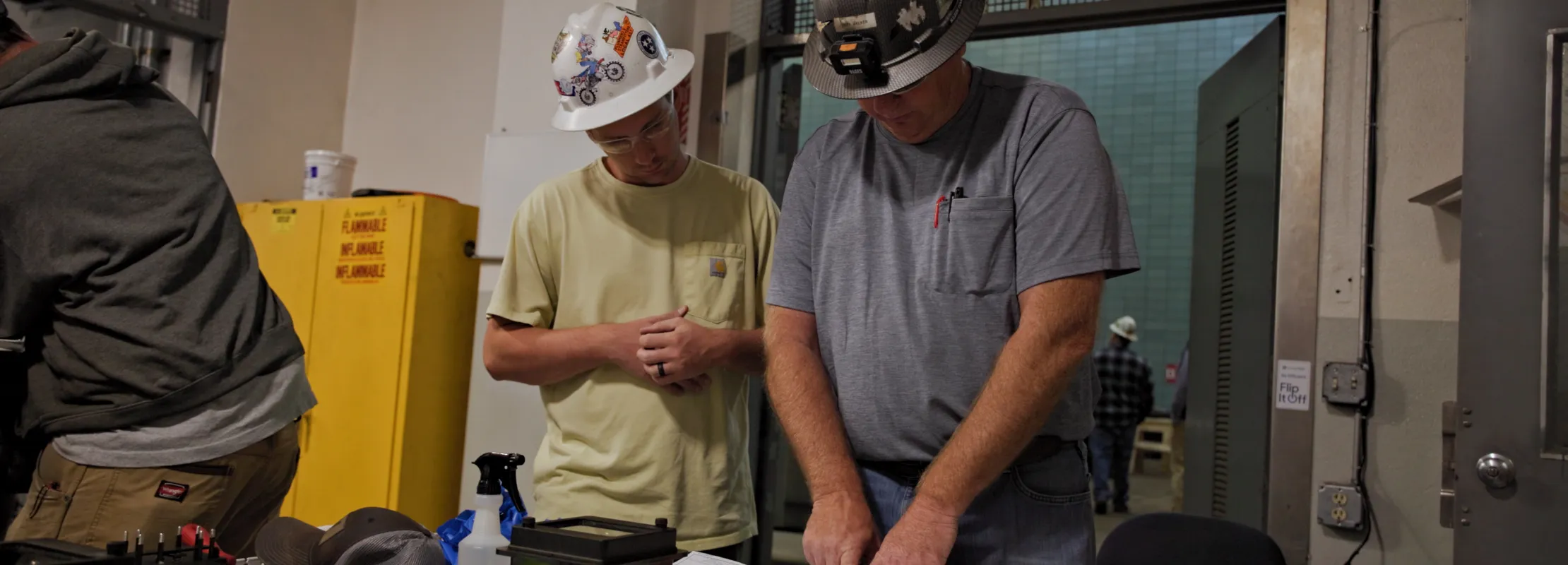
An apprenticeship is a training program that allows you to learn a skilled trade while earning a paycheck. Instead of attending college for several years before starting your career, you'll work alongside experienced electricians while receiving classroom instruction. You'll develop the skills necessary to become a professional Journeyman Inside Wireman.
Do I get paid while I'm an apprentice?
Yes! Apprentices are paid employees who earn wages while receiving hands-on training. As you gain experience and advance through the program, your pay increases. At the Chattanooga Electrical Apprenticeship and Training Center, apprentices are eligible for scheduled wage increases every six months as they meet program requirements.
How long does the Inside Wireman apprenticeship take?
The Chattanooga Electrical Apprenticeship and Training Center offers a four-year program that includes at least 8,000 hours of on-the-job training and 720 hours of classroom instruction. Upon successful completion, you'll have the training and experience necessary to become a Journeyman Inside Wireman.
Do I need previous electrical experience?
No. The apprenticeship is designed to teach you the trade from the ground up. You don't need to know how to wire a building or install electrical equipment before applying. You'll learn from experienced professionals who will help you develop your skills throughout the program.
Do I need to go to college first?
No college degree is required to pursue an electrical apprenticeship. The program combines classroom education with paid, hands-on training, allowing you to develop a career without following the traditional four-year college route.
Will I have to attend classes?
Yes. Classroom instruction is an important part of your apprenticeship. At the Chattanooga Electrical Apprenticeship and Training Center, classes are generally held two evenings per week, either Monday and Wednesday or Tuesday and Thursday. You'll study electrical theory, safety, electrical codes, and other subjects that support what you're learning on the job.
What kind of work will I do as an apprentice?
You'll begin by assisting experienced electricians with basic tasks, learning to use tools, understanding jobsite safety, and becoming familiar with electrical materials. As your skills develop, you'll take on more responsibilities, including installing conduit, pulling wire, connecting electrical equipment, reading blueprints, and troubleshooting electrical systems.
Will I receive health insurance and retirement benefits?
The apprenticeship offers access to valuable benefits, including health and medical insurance beginning in the first year, along with retirement and pension plans. Eligibility and coverage are determined by the applicable benefit plans and agreements.
How much does the apprenticeship cost?
The Chattanooga Electrical Apprenticeship and Training Center promotes a debt-free path to a career in the electrical industry. Rather than paying traditional college tuition, apprentices earn wages while receiving their training. Contact the training center for current information about any application, book, or other program-related expenses.
Is electrical work physically demanding?
Electrical work is a hands-on profession that requires physical activity, attention to detail, and a commitment to safety. You may work on ladders, lift materials, use hand and power tools, or work in tight spaces. You'll learn proper safety procedures and techniques throughout your apprenticeship.
Will I always work inside?
Not necessarily. The term "Inside Wireman" describes the type of electrical work you perform, not exclusively where you work. Inside Wiremen frequently work on construction sites, including outdoor portions of commercial and industrial projects.
How do I apply for the Inside Wireman apprenticeship?
Applications are handled through the Chattanooga Electrical Apprenticeship and Training Center. Visit its website for current application periods, eligibility requirements, aptitude testing, interviews, and instructions.
Do I have to take a test to get accepted?
Yes. Applicants take an aptitude test covering high school algebra and reading comprehension. The Chattanooga Electrical Apprenticeship and Training Center currently requires a minimum score of 4 to qualify for an interview.
Where is the apprenticeship training center located?
The Chattanooga Electrical Apprenticeship and Training Center is located at 3924 Volunteer Drive, Chattanooga, TN 37416, next door to IBEW Local 175.
Can I work another job while completing my apprenticeship?
An electrical apprenticeship is a significant commitment. You'll be working in the electrical industry while attending classes and completing coursework. Outside employment would need to fit around those obligations.
What if I decide to change careers later in life?
You don't have to be fresh out of high school to become an apprentice. Many people enter the electrical industry after working in other professions. If you're willing to learn, work hard, and commit to the training, an apprenticeship can be an excellent opportunity to start a new career.
What happens when I finish my apprenticeship?
After successfully completing the program and meeting its requirements, you can advance to Journeyman Inside Wireman status. As a journeyman, you'll have the skills and qualifications to work independently in your trade, earn journeyman wages, and pursue additional training and career opportunities.
Outside Lineman Apprenticeship
Southeastern Line Constructors Apprenticeship & Training - SELCAT - produces the best-trained, most up-to-date outside electrical line apprentices and Journeymen in the region. A unique educational partnership between the Southeastern Line Constructors Chapter, National Electrical Contractors Association (NECA) and local unions of the International Brotherhood of Electrical Workers (I.B.E.W.) allows SELCAT to provide earn-while-you-learn, state-of-the-art training.
What is an Outside Lineman?
An Outside Lineman is a highly trained electrical worker who builds, maintains, and repairs the power lines and electrical infrastructure that deliver electricity to homes, businesses, and communities. Linemen work on overhead power lines, transmission towers, utility poles, underground electrical systems, and other parts of the electrical grid.
What is an Outside Lineman apprenticeship?
An Outside Lineman apprenticeship is a structured training program that combines paid, hands-on experience with classroom instruction. You'll work alongside experienced Journeyman Linemen while learning how to safely construct, maintain, and repair electrical power systems. IBEW Local 175's outside apprenticeship training is provided through Southeastern Line Constructors Apprenticeship & Training, also known as SELCAT.
Do I get paid while I'm learning to become a lineman?
Yes! Outside Lineman apprentices earn wages while receiving on-the-job training. As you successfully complete training requirements and gain experience, you can advance through the program and earn higher wages.
Do I need previous experience working with electricity?
No previous electrical experience is necessary to begin learning the trade. The apprenticeship is designed to develop the knowledge and skills needed to become a qualified lineman. However, applicants must meet SELCAT's eligibility and entry requirements.
How long does it take to become a Journeyman Lineman?
Becoming a Journeyman Lineman generally takes several years of structured training and work experience. Your progress depends on completing the required on-the-job training hours, classroom instruction, and other program requirements. SELCAT can provide the current requirements and expected duration for its apprenticeship programs.
What kind of work will I do as a lineman apprentice?
You'll learn to work with the equipment and infrastructure that make up the electrical power grid. Training may include climbing utility poles, installing power lines, working with electrical transformers, operating specialized equipment, and maintaining electrical distribution and transmission systems. All work is performed under appropriate supervision and established safety procedures.
Will I have to climb utility poles?
For the overhead line apprenticeship, yes. Climbing poles and working at heights are important parts of the trade. You'll receive training in climbing techniques, fall protection, and safe work practices. If you're uncomfortable with heights, you should carefully consider whether overhead line work is the right career for you.
Is being a lineman dangerous?
Working around high-voltage electrical systems, heavy equipment, and elevated structures involves serious hazards. That's why safety training is a fundamental part of the apprenticeship. You'll learn established procedures, proper equipment use, and safe work practices designed to protect you and your coworkers.
Will I have to travel for work?
Travel is often part of an Outside Lineman's career. Unlike many electricians who work primarily within a local construction market, outside line crews may work on projects across different locations. Some jobs may require overnight stays or extended periods away from home. Applicants should be prepared for the possibility of travel.
Will I have to work during storms or power outages?
Outside Linemen play an important role in restoring electrical service after storms, hurricanes, and other emergencies. Depending on your employer, assignment, and qualifications, you may be called upon to assist with storm restoration. This work can involve long hours and challenging conditions.
Do I need a Commercial Driver's License (CDL)?
A CDL is an important qualification for many Outside Lineman positions because crews frequently operate large trucks and specialized equipment. SELCAT has specific driver's license and CDL requirements for applicants. Check the current requirements before applying.
Will I work outdoors in bad weather?
Yes. Outside Linemen work outdoors throughout the year, often in heat, cold, rain, and other challenging weather conditions. Certain hazardous conditions may require work to stop, but working outdoors is a fundamental part of the career.
Can I become a lineman without going to college?
Yes. A traditional college degree is not required to pursue an Outside Lineman apprenticeship. You'll receive specialized training and gain real-world experience while earning wages.
Is there a difference between an Outside Lineman and an Inside Wireman?
Yes. Both are skilled electrical professionals, but they work on different parts of the electrical system. Outside Linemen build and maintain the power lines and infrastructure that deliver electricity to buildings. Inside Wiremen install and maintain the electrical systems that distribute and use electricity within commercial and industrial facilities.
How do I apply for the Outside Lineman apprenticeship?
Applications are handled through SELCAT, which provides apprenticeship training for outside electrical workers throughout the Southeast. Visit SELCAT's website to review current application availability, qualifications, required documentation, and the application process.
What qualifications do I need to apply?
SELCAT requires applicants to be at least 18 years old, have a high school diploma or GED, meet its mathematics requirements, and satisfy the driver's license and other application requirements. A Class A CDL with air brakes endorsement is required for overhead and underground programs.
Do I have to pay to apply?
SELCAT currently lists a $25 application fee. Applicants may also incur costs obtaining required documentation, a CDL, and other qualifications.
How many hours of training are required?
You will need to complete 7,000 hours of on-the-job training and at least 144 hours of related instruction annually for three years in its apprenticeship process.
Can I stay close to home during my apprenticeship?
Not necessarily. SELCAT requires apprentices to be willing to travel throughout its nine-state southeastern jurisdiction. You should consider this commitment before applying.
Do lineman apprentices receive health insurance and retirement benefits?
Outside line apprentices working under applicable union agreements may qualify for health insurance, retirement benefits, and other negotiated benefits. Specific eligibility and coverage depend on the agreement, employer, and benefit plans.
What happens after I complete my lineman apprenticeship?
After successfully completing the required training and demonstrating the necessary skills, you can advance to Journeyman Lineman status. Journeymen have opportunities to work on electrical distribution, transmission, maintenance, and other power infrastructure projects.